

Introduction
Smart technology trends are no longer limited to futuristic concepts or high-end gadgets. Today, they are deeply woven into our daily routines, quietly improving how we live, work, and interact with the world. From waking up with smart alarms to managing homes through voice commands, technology has become more intuitive and accessible than ever before.
In recent years, the pace of innovation has accelerated significantly. Devices are becoming smarter, more connected, and more responsive to human behavior. As a result, everyday tasks are becoming simpler, faster, and more efficient. Whether it is managing energy consumption, tracking health, or enhancing productivity, smart technology trends are reshaping modern lifestyles in ways that were once unimaginable.
For beginners and intermediate users, understanding these trends is essential. It helps in making informed decisions, staying updated, and using technology effectively without feeling overwhelmed. This article explores how smart technology trends are transforming everyday life, their importance, benefits, risks, and how to use them wisely.
What is Smart Technology Trends?
Smart technology trends refer to the evolving advancements in devices, systems, and applications that use connectivity, automation, and data to improve efficiency and user experience. These technologies often rely on the internet, artificial intelligence, and sensors to function intelligently.
In simple terms, smart technology involves devices that can think, learn, and respond. Examples include smart home systems, wearable fitness trackers, voice assistants, and automated appliances. These technologies communicate with each other and adapt based on user behavior.
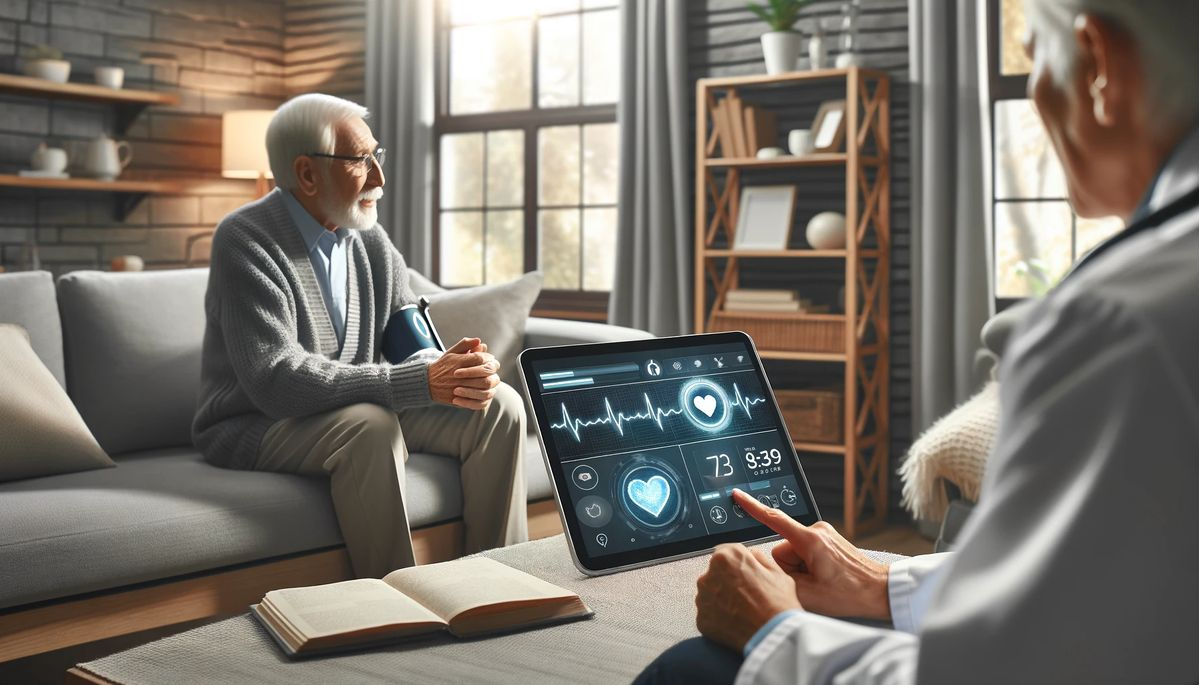
Over time, smart technology trends have expanded beyond gadgets. They now include smart cities, intelligent transportation, and digital healthcare systems. The focus is on creating a connected ecosystem where devices work together seamlessly.
Why is Smart Technology Trends Important?
Smart technology trends play a crucial role in improving the quality of life. They save time, reduce effort, and provide convenience in daily activities. For instance, smart thermostats can adjust room temperature automatically, while smart lighting systems can be controlled remotely.
Another important aspect is efficiency. Smart technology helps optimize resources such as energy and time. This not only reduces costs but also supports environmental sustainability. For example, smart energy systems minimize electricity wastage.
Moreover, these trends enhance safety and security. Smart surveillance systems, real-time alerts, and automated locks provide better protection for homes and businesses. As technology continues to evolve, its importance in everyday life will only increase.
Detailed Step-by-Step Guide
Step 1: Understand Your Needs
Before adopting smart technology trends, identify your specific requirements. Think about areas where technology can make your life easier, such as home security, health monitoring, or productivity.
Step 2: Start with Basic Devices
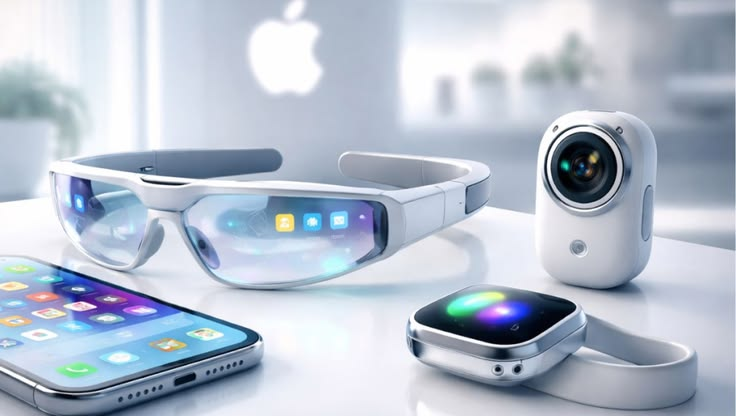
Begin with simple smart devices like smart bulbs or voice assistants. These are easy to use and help you get comfortable with the concept of connected technology.
Step 3: Ensure Connectivity
Most smart devices rely on internet connectivity. Make sure you have a stable and secure network to support seamless operation.
Step 4: Learn Integration
As you add more devices, focus on integrating them into a single system. This allows better control and automation. For example, linking lights, thermostats, and security systems can create a unified smart home experience.
Step 5: Use Mobile Applications
Smart technology trends often come with dedicated apps. These apps allow you to control devices remotely, monitor performance, and customize settings according to your preferences.
Step 6: Prioritize Security
Always use strong passwords and enable security features. Protecting your data and devices is essential when using connected technology.
Step 7: Keep Updating Devices
Regular updates ensure that your devices function efficiently and remain secure. Updates also introduce new features and improvements.
Benefits of Smart Technology Trends
- Improved convenience in daily tasks
- Enhanced energy efficiency and cost savings
- Better health monitoring through wearable devices
- Increased home and workplace security
- Time-saving automation for routine activities
- Personalized user experience based on preferences
- Easy remote access and control of devices
Disadvantages / Risks
- Privacy concerns due to data collection
- Dependence on internet connectivity
- High initial cost of smart devices
- Risk of hacking or cyber threats
- Compatibility issues between different devices
- Learning curve for new users
Common Mistakes to Avoid
One common mistake is buying too many devices without understanding their purpose. This can lead to confusion and underutilization. It is better to start small and expand gradually.
Another mistake is ignoring security measures. Many users overlook the importance of strong passwords and regular updates, which can make devices vulnerable to cyber threats.
Some people also fail to check compatibility before purchasing devices. Not all smart devices work well together, so it is important to ensure they can integrate smoothly.
Lastly, relying too much on automation without manual control can be risky. Always maintain the ability to control devices manually when needed.
FAQs
1. What are smart technology trends in simple terms?
Smart technology trends refer to modern devices and systems that use connectivity and automation to make daily tasks easier and more efficient.
2. Are smart devices difficult to use?
Most smart devices are designed for ease of use. Beginners can start with simple devices and gradually learn advanced features.
3. Do smart technologies save money?
Yes, many smart technologies help reduce energy consumption and improve efficiency, which can lower utility bills over time.
4. Is smart technology safe?
While generally safe, it is important to follow security practices such as using strong passwords and keeping devices updated.
5. Can smart devices work without the internet?
Some features may work offline, but most smart devices require internet connectivity for full functionality.
6. What is the future of smart technology trends?
The future includes more advanced automation, better integration, and increased use of artificial intelligence to enhance user experience.
Expert Tips & Bonus Points
To make the most of smart technology trends, always research before buying any device. Read reviews, compare features, and choose products that suit your needs.
Focus on building an ecosystem rather than using standalone devices. This allows better integration and improved functionality.
Keep your devices organized and regularly monitor their performance. This helps in identifying issues early and maintaining efficiency.
Also, stay updated with new trends and innovations. Technology evolves quickly, and keeping up with changes ensures you get the best value.
Finally, balance convenience with security. While automation is helpful, protecting your data should always be a priority.
Conclusion
Smart technology trends are transforming everyday life in remarkable ways. They are making daily tasks more convenient, improving efficiency, and enhancing overall quality of life. From smart homes to wearable devices, these innovations are becoming an essential part of modern living.
For beginners and intermediate users, adopting smart technology does not have to be overwhelming. By starting small, understanding your needs, and focusing on integration, you can gradually build a system that works seamlessly for you. At the same time, being aware of potential risks and taking necessary precautions ensures a safe and reliable experience.
As technology continues to evolve, its impact on daily life will become even more significant. Embracing smart technology trends today not only simplifies your routine but also prepares you for a more connected and efficient future.
