

Introduction
Gaming has become one of the most popular forms of entertainment in today’s digital world. From casual mobile games to competitive online platforms, people of all ages are spending more time immersed in virtual environments. While gaming can be fun, relaxing, and even mentally stimulating, it can also become overwhelming if not managed properly. Many individuals, especially beginners and intermediate gamers, often struggle to balance gaming with daily life responsibilities such as work, studies, family time, and personal health.
Finding the right balance is not about quitting gaming altogether. Instead, it is about creating a healthy routine where gaming fits into your lifestyle without negatively affecting your priorities. When managed well, gaming can actually improve focus, coordination, and stress management. However, without proper control, it can lead to missed deadlines, poor sleep, and reduced productivity.
This article will guide you through practical and easy-to-follow tips to balance gaming with daily life responsibilities. Whether you are a student, a working professional, or someone who simply enjoys gaming, these strategies will help you stay in control while still enjoying your favorite games.
What is Tips to Balance Gaming with Daily Life Responsibilities?
Tips to balance gaming with daily life responsibilities refer to strategies and habits that help individuals manage their gaming time effectively while maintaining productivity in their personal and professional lives. These tips focus on creating a structured routine where gaming does not interfere with essential tasks such as work, studies, health, and relationships.
Balancing gaming is not about limiting enjoyment but about maintaining control. It involves understanding priorities, setting boundaries, and ensuring that gaming remains a healthy activity rather than a disruptive one. For example, allocating specific hours for gaming after completing important tasks is one way to maintain this balance.
In simple terms, it is about enjoying gaming responsibly while staying committed to real-life obligations. This balance helps individuals avoid burnout, maintain discipline, and improve overall well-being.
Why is Tips to Balance Gaming with Daily Life Responsibilities Important?
Balancing gaming with daily life responsibilities is crucial for maintaining a stable and productive lifestyle. Without proper balance, gaming can quickly consume time that should be spent on essential activities.
Firstly, it helps in maintaining productivity. When gaming is controlled, individuals can focus better on their work or studies. Secondly, it supports mental and physical health. Excessive gaming can lead to stress, anxiety, and poor sleep patterns.
Moreover, maintaining balance improves relationships. Spending too much time gaming can reduce interaction with family and friends. By managing time effectively, individuals can enjoy social connections without sacrificing their hobbies.
Lastly, it builds discipline and time management skills. Learning how to balance gaming with responsibilities teaches valuable life skills that are useful in both personal and professional growth.
Detailed Step-by-Step Guide
Set Clear Priorities
Start by identifying your daily responsibilities. List your tasks such as work, studies, exercise, and family time. Once you know your priorities, allocate gaming time accordingly.
For example, if you have assignments or office work, complete them first before starting any gaming session. This ensures that gaming does not interfere with important commitments.
Create a Gaming Schedule
Having a fixed gaming schedule is one of the most effective ways to maintain balance. Decide specific hours for gaming and stick to them.
For instance, you can play games for one or two hours in the evening after finishing your tasks. This structured approach prevents overindulgence and helps maintain consistency.
Use Time Limits
Set a timer or use built-in gaming controls to limit your playing time. Many games and devices offer features that help track and control usage.
Time limits prevent long, unplanned gaming sessions and encourage discipline. When the time is up, make it a habit to stop playing.
Avoid Gaming During Important Hours
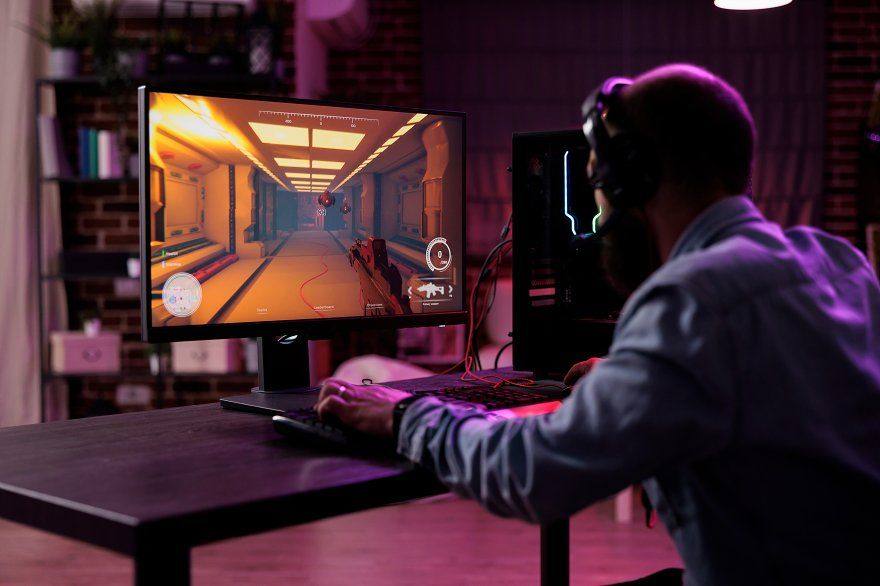
Do not play games during study hours, work time, or important family moments. Keep gaming as a reward after completing your responsibilities.
This habit ensures that gaming remains a secondary activity rather than a primary distraction.
Take Regular Breaks
Even during gaming sessions, take short breaks. Continuous gaming can lead to fatigue and reduced focus.
Breaks help refresh your mind and prevent physical strain. A simple 5–10 minute break every hour can make a big difference.
Stay Physically Active
Balance gaming with physical activities such as exercise, walking, or sports. This helps maintain overall health and reduces the negative effects of prolonged screen time.
Physical activity also improves mood and energy levels, making it easier to manage both gaming and responsibilities.
Communicate with Family
Let your family or housemates know your gaming schedule. This helps avoid conflicts and ensures that you remain available when needed.
Good communication creates a supportive environment where gaming does not disrupt relationships.
Track Your Time
Keep a record of how much time you spend gaming daily. This helps you identify patterns and make necessary adjustments.
If you notice excessive gaming, you can take steps to reduce it and maintain balance.
Benefits of Tips to Balance Gaming with Daily Life Responsibilities
- Improves time management skills
- Enhances productivity in work and studies
- Supports better mental health
- Maintains healthy relationships
- Prevents gaming addiction
- Encourages a disciplined lifestyle
- Promotes physical well-being
- Reduces stress and burnout
Disadvantages / Risks
- Over-restriction can reduce enjoyment
- Strict schedules may feel limiting
- Lack of flexibility in routine
- Difficulty in maintaining consistency
- Possible frustration when limits are enforced
- Social pressure from gaming communities
Common Mistakes to Avoid
One common mistake is ignoring responsibilities for gaming. Many individuals delay important tasks just to continue playing, which leads to stress later.
Another mistake is not setting boundaries. Without limits, gaming sessions can extend for hours without realization.
Some people also skip sleep to play games. This negatively affects health and productivity the next day.
Additionally, multitasking between gaming and work reduces efficiency. It is better to focus on one task at a time.
Lastly, neglecting physical health is a major issue. Sitting for long hours without movement can cause health problems over time.
FAQs
How many hours of gaming is healthy?
A healthy gaming duration depends on individual schedules, but generally, 1–2 hours per day is considered balanced for most people.
Can gaming affect productivity?
Yes, excessive gaming can reduce productivity by consuming time and energy needed for important tasks. However, controlled gaming does not have this effect.
How can students balance gaming and studies?
Students should complete their studies first and use gaming as a reward. Creating a study and gaming schedule helps maintain balance.
Is gaming bad for health?
Gaming is not inherently bad, but excessive gaming can lead to physical and mental health issues such as eye strain and poor sleep.
What are the signs of gaming addiction?
Signs include losing track of time, neglecting responsibilities, reduced social interaction, and inability to stop playing.
Can gaming improve skills?
Yes, gaming can improve problem-solving, coordination, and decision-making skills when done in moderation.
Expert Tips & Bonus Points
One effective tip is to treat gaming as a reward rather than a routine activity. This mindset helps maintain discipline and motivation.
Another useful approach is to choose games wisely. Avoid highly addictive games during busy periods and opt for shorter, casual games.
Using productivity techniques such as the Pomodoro method can also help. Work for a fixed time and then take a short gaming break as a reward.
It is also important to maintain a proper sleep schedule. Avoid late-night gaming sessions that disrupt your rest.
Lastly, surround yourself with supportive people who understand your goals. A positive environment makes it easier to maintain balance.
Conclusion
Balancing gaming with daily life responsibilities is essential for maintaining a healthy and productive lifestyle. Gaming, when enjoyed responsibly, can be a great source of entertainment and relaxation. However, without proper control, it can interfere with important aspects of life such as work, studies, and relationships.
By setting clear priorities, creating a schedule, and using time limits, individuals can enjoy gaming without compromising their responsibilities. Simple habits such as taking breaks, staying active, and tracking time can make a significant difference.
It is important to remember that balance is not about restriction but about control. When gaming is managed properly, it becomes a positive part of life rather than a problem. Developing these habits early can lead to better discipline, improved productivity, and overall well-being.
In the end, the goal is to enjoy gaming while staying committed to real-life responsibilities. With the right approach, it is possible to achieve both without sacrificing either.
