

Introduction
Artificial intelligence has quietly become a part of everyday life, influencing how people work, communicate, shop, and even relax. What once seemed like a futuristic concept is now deeply integrated into daily routines, often without people even noticing. From voice assistants that manage schedules to recommendation systems that personalize entertainment, AI technology is steadily transforming the modern lifestyle.
In recent years, the growth of AI technology has accelerated, making it more accessible and practical for both individuals and businesses. As a result, people are relying on it to simplify tasks, save time, and improve decision-making. Whether it’s navigating traffic, managing finances, or staying fit, AI-driven tools are making daily activities more efficient and personalized.
Moreover, the influence of AI is not limited to convenience. It is also reshaping habits, behaviors, and expectations. People now expect faster services, smarter devices, and seamless experiences across different platforms. This shift highlights how deeply AI technology is shaping modern daily routines.
Understanding how this transformation works can help individuals make better use of these tools while staying aware of potential risks. This article explores the concept, importance, practical usage, benefits, challenges, and expert insights related to AI technology in everyday life.
What is AI Technology?
AI technology refers to systems and machines that can perform tasks that typically require human intelligence. These tasks include learning from data, recognizing patterns, understanding language, and making decisions.
At its core, AI technology works by using algorithms and data to mimic human thinking processes. For example, when a smartphone suggests the next word while typing, it is using AI to predict behavior based on previous inputs.
There are different types of AI systems used in daily life:
- Narrow AI: Designed for specific tasks like voice assistants or recommendation systems
- Machine Learning: Enables systems to learn and improve from experience
- Natural Language Processing: Helps machines understand and respond to human language
In modern routines, AI technology is often embedded in everyday devices and applications. This makes it easier for users to benefit from its capabilities without needing technical knowledge.
Why is AI Technology Important?
AI technology plays a significant role in improving efficiency and productivity. It reduces the time required to complete tasks and minimizes human effort in repetitive activities.
One of the main reasons AI technology is important is its ability to personalize experiences. For instance, online platforms use AI to suggest products, music, or videos based on user preferences. This not only enhances user satisfaction but also saves time.
Additionally, AI technology improves decision-making by analyzing large amounts of data quickly. In areas like health, finance, and education, this can lead to better outcomes and more informed choices.
Another key factor is automation. AI allows systems to perform tasks without constant human intervention. This is especially useful in managing daily routines such as scheduling, reminders, and home automation.
Furthermore, AI technology supports innovation. It encourages the development of smarter tools and solutions that continuously improve daily life.
Detailed Step-by-Step Guide
Step 1: Identify Daily Tasks That Can Be Automated
Start by analyzing your daily routine. Look for repetitive tasks such as setting reminders, organizing schedules, or managing emails.
AI tools can handle these tasks efficiently, allowing you to focus on more important activities.
Step 2: Use Smart Assistants
Voice-enabled assistants can help manage daily responsibilities. They can:
- Set alarms and reminders
- Provide weather updates
- Answer questions instantly
Using these tools regularly can simplify your routine.
Step 3: Leverage AI in Communication
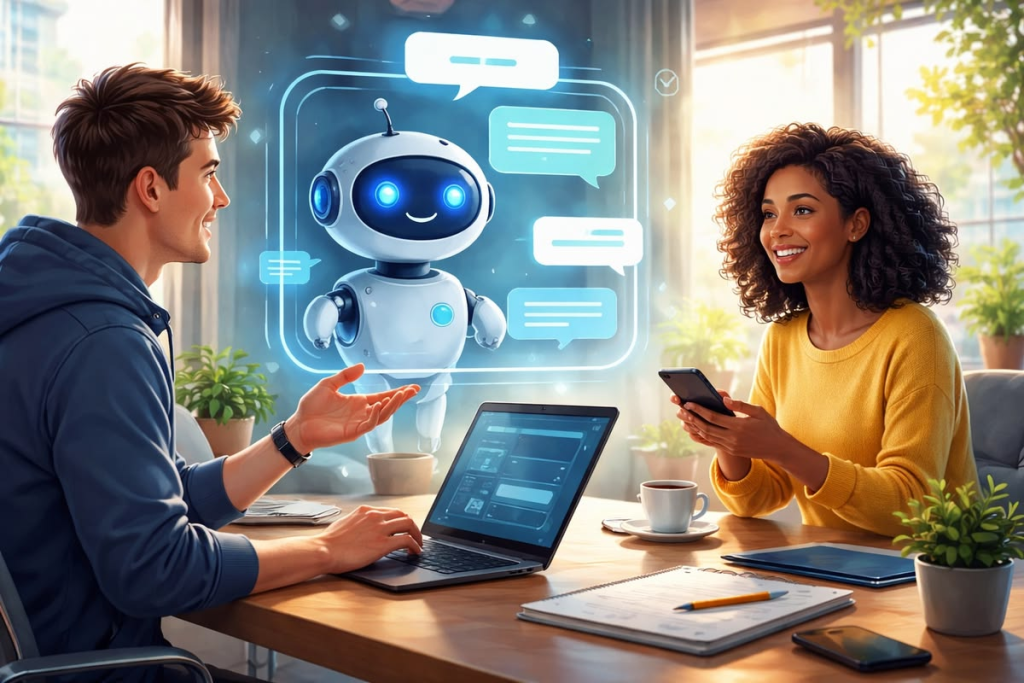
Many messaging and email platforms use AI to improve communication. Features include:
- Auto-replies
- Spam filtering
- Smart suggestions
These tools make communication faster and more efficient.
Step 4: Optimize Entertainment Choices
Streaming platforms use AI technology to recommend content based on viewing history.
To make the most of this:
- Watch content you genuinely enjoy
- Rate or interact with recommendations
- Explore suggested categories
This helps the system improve its suggestions.
Step 5: Manage Health and Fitness
AI-powered apps track physical activity, diet, and sleep patterns.
You can:
- Monitor daily steps
- Track calorie intake
- Receive personalized fitness plans
This makes it easier to maintain a healthy lifestyle.
Step 6: Improve Financial Management
AI tools can analyze spending habits and provide insights.
Use them to:
- Track expenses
- Set budgets
- Receive alerts for unusual activity
This leads to better financial control.
Step 7: Automate Home Systems
Smart home devices use AI technology to control lighting, temperature, and security.
For example:
- Automatic lighting based on presence
- Smart thermostats adjusting temperature
- Security systems detecting unusual activity
This enhances comfort and safety.
Benefits of AI Technology
- Saves time by automating repetitive tasks
- Enhances productivity and efficiency
- Provides personalized experiences
- Improves decision-making through data analysis
- Increases convenience in daily activities
- Supports better health and lifestyle management
- Enhances security and safety systems
Disadvantages / Risks
- Privacy concerns due to data collection
- Over-dependence on technology
- Potential job displacement in some industries
- Errors in automated decision-making
- High initial cost for advanced systems
- Lack of human judgment in certain situations
Common Mistakes to Avoid
One common mistake is relying too heavily on AI without understanding its limitations. While AI technology is powerful, it is not always perfect.
Another issue is ignoring privacy settings. Many AI tools collect data, so it is important to review and manage permissions carefully.
Users also often fail to update their tools regularly. Updates improve performance and security, making systems more reliable.
Additionally, some people use too many tools at once, which can lead to confusion rather than efficiency. It is better to focus on a few essential tools that truly enhance daily routines.
Lastly, not customizing AI settings can reduce effectiveness. Personalizing features helps achieve better results.
FAQs
1. How does AI technology affect daily life?
AI technology simplifies daily tasks, improves efficiency, and provides personalized experiences in areas like communication, entertainment, and health.
2. Is AI technology safe to use?
Generally, it is safe when used responsibly. However, users should be mindful of data privacy and security settings.
3. Can AI replace human decision-making?
AI can assist in decision-making by analyzing data, but human judgment is still essential in many situations.
4. What are common examples of AI in daily routines?
Examples include voice assistants, recommendation systems, smart home devices, and fitness tracking apps.
5. Does AI technology require technical knowledge?
No, most AI tools are designed to be user-friendly and accessible to beginners.
6. How can beginners start using AI technology?
Beginners can start with simple tools like smart assistants, fitness apps, or budgeting applications to gradually integrate AI into their routines.
Expert Tips & Bonus Points
To get the most out of AI technology, start small and expand gradually. Focus on tools that solve real problems in your daily routine.
Keep your devices and applications updated to ensure optimal performance and security.
It is also important to maintain a balance between automation and manual control. While AI can handle many tasks, staying involved helps you make better decisions.
Another useful tip is to explore customization options. Adjusting settings according to your preferences can significantly improve results.
Finally, stay informed about new developments. AI technology is evolving rapidly, and keeping up with trends can help you make smarter choices.
Conclusion
AI technology is no longer a distant concept; it is an integral part of modern daily routines. From managing schedules to enhancing entertainment and improving health, its impact is both wide-ranging and transformative. As people continue to adopt these tools, daily life becomes more efficient, personalized, and convenient.
However, it is equally important to approach AI technology with awareness. Understanding its capabilities and limitations helps users make informed decisions and avoid potential risks. By using AI responsibly, individuals can enjoy its benefits while maintaining control over their routines.
Looking ahead, the role of AI technology will only continue to grow. It will introduce smarter solutions, improve existing systems, and further shape how people live and interact with the world. Embracing this change thoughtfully can lead to a more productive and balanced lifestyle.
In conclusion, AI technology is shaping modern daily routines in powerful ways. By integrating it wisely into everyday life, individuals can enhance efficiency, improve decision-making, and create a more streamlined and enjoyable daily experience.
